
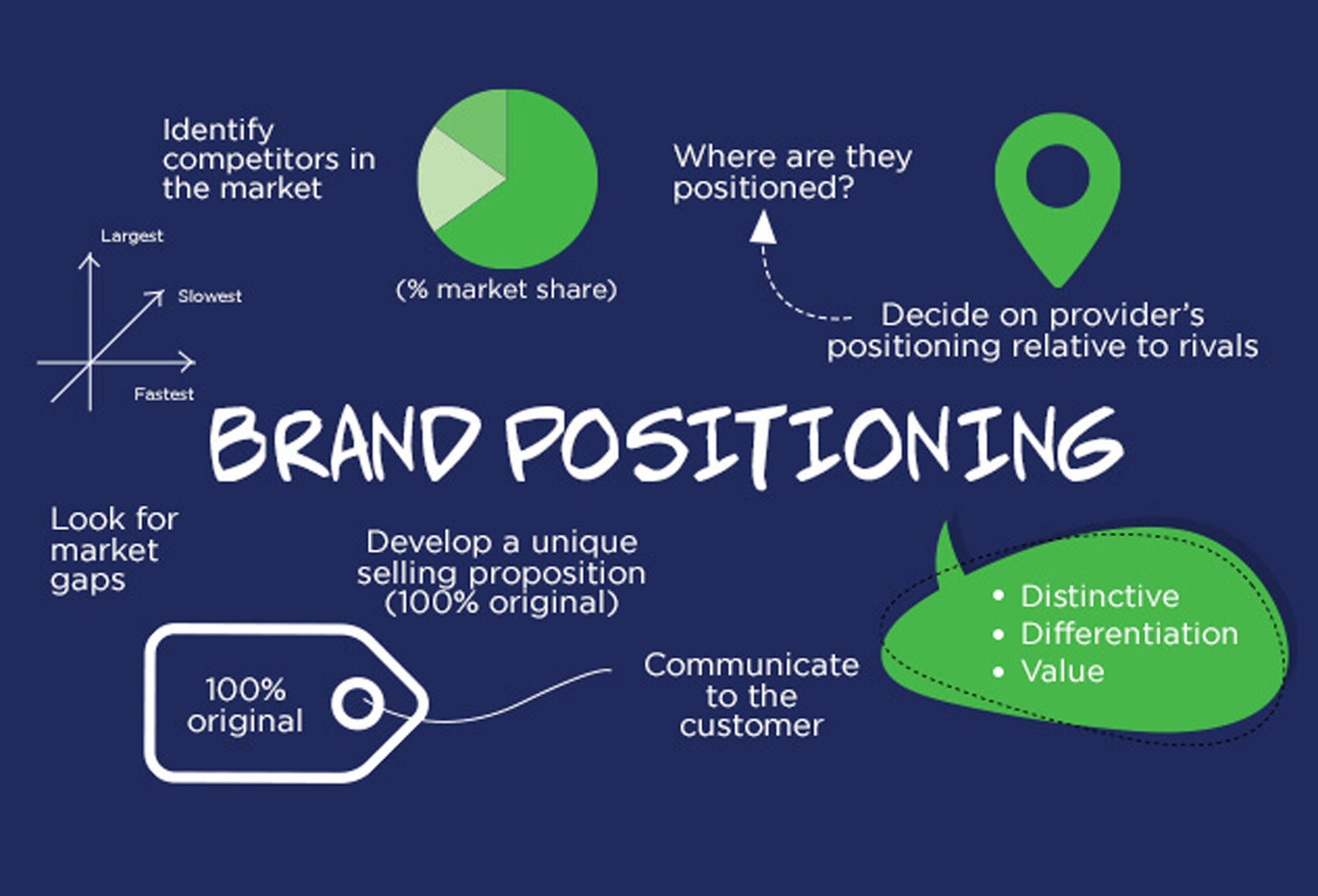
Understanding where your brand sits in the market isn’t guesswork. Brand mapping provides a visual framework to see exactly how customers perceive you compared to competitors. It’s a strategic tool that reveals market gaps, highlights your position, and guides decision-making across marketing, product development, and customer experience.
If you’ve ever wondered why competitors gain traction while you struggle, or why your messaging doesn’t resonate as expected, brand mapping offers clarity. By plotting brands on axes that represent key attributes—such as price versus quality, or innovation versus tradition—you gain insight into where you stand and where opportunities lie.
Why Brand Mapping Matters
Brand mapping goes beyond tracking competitors. It shows you how customers actually see the market, not just how you hope they do. This perspective shift can be revelatory. You might discover that whilst you position yourself as premium, customers group you with mid-market players. Or that a gap exists for affordable innovation that no one has claimed.
The strategic benefits are practical. First, you identify white space—areas where customer needs aren’t being met. Second, you understand perception versus reality. Your brand values might not align with how the market views you, and that misalignment costs conversions. Third, you sharpen differentiation. When you see where everyone clusters, you can deliberately move away from crowded positions.
Creating Your Brand Map
Start by identifying which competitors matter. Don’t map every player in your industry—focus on direct competitors who target similar customers. Include aspirational brands if relevant, as these influence how customers evaluate value.
Next, choose your axes carefully. These should reflect attributes that genuinely matter to your customers. Common pairings include price versus quality, traditional versus innovative, or functional versus emotional. The right axes depend on your market. Research what drives purchase decisions. Survey data, customer interviews, and review analysis all provide evidence for these choices.
Plot each brand on your map based on customer perception, not your own assessment. This distinction matters. You might see yourself as cutting-edge, but if customers don’t, your map must reflect their view. Gather perception data through surveys, social listening, or third-party research. Where hard data isn’t available, triangulate using market signals like pricing, messaging, and product features.
Analysing Results to Refine Strategy
Once your map is complete, patterns emerge. Look for clusters where multiple brands compete. These areas are saturated, making differentiation harder and customer acquisition more expensive. Conversely, empty quadrants suggest opportunity—but verify demand before assuming a gap means untapped potential.
Compare your current position with where you want to be. If there’s distance between the two, your messaging and product strategy need adjustment. Perhaps you’re priced as premium but perceived as mid-tier. That gap signals a communication problem or a value delivery issue.
Use your brand map to test strategic moves. If you’re considering a price increase, plot where that would place you. Would you overlap with stronger competitors, or claim valuable space? If launching a new product line, does it fill a gap or crowd an existing position?
Keeping Your Map Current
Markets shift. Customer priorities change. Competitors reposition. A brand map isn’t a one-time exercise but an ongoing reference that requires regular updates. Quarterly reviews work for fast-moving sectors, whilst annual updates suffice for more stable markets.
Monitor key indicators that signal when repositioning is needed. Shifts in customer language, new competitive entrants, or changes in purchase drivers all warrant a fresh look at your map. Maintain the same axes for consistency, but be willing to add new dimensions if market dynamics change fundamentally.
Brand mapping gives you a clear-eyed view of competitive reality. It strips away assumptions and reveals where you actually stand. More importantly, it shows where you could stand—and what it takes to get there. In a market where differentiation determines survival, that clarity is worth having.